Best Hospitals for Gastroenterology: A Guide to Referrals, Second Opinions, and Digestive Care
 Introduction
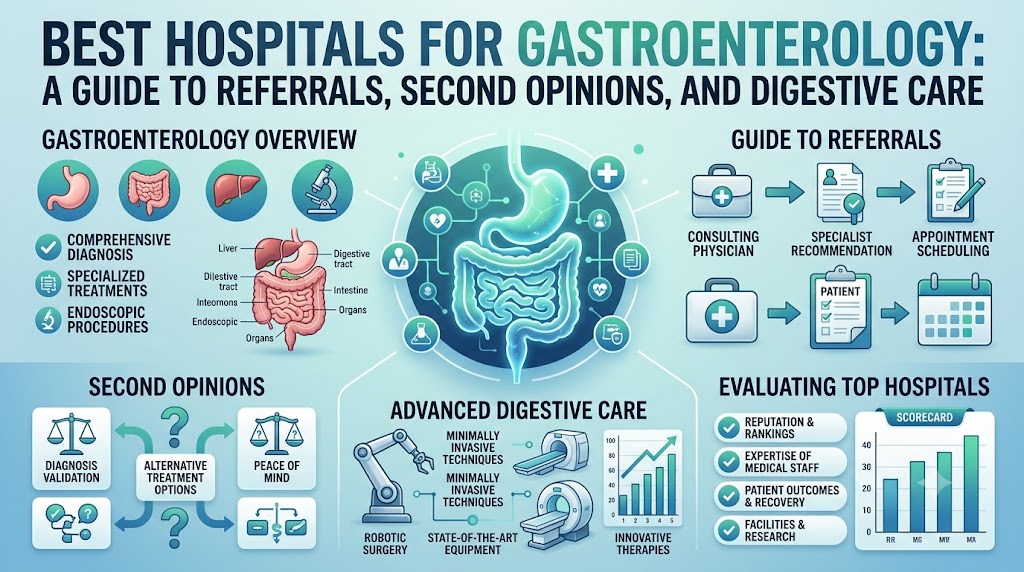
A digestive health journey can change after one appointment, one report, or one referral. A doctor may suggest a specialist, another test, or a second opinion. This can leave patients with many questions about where to go next. The best hospitals for gastroenterology may offer several services under one healthcare system. But patients still need to understand which services match their situation. A gastroenterologist can review digestive symptoms, reports, and previous medical findings. They may also explain whether another specialist should join the care team. This guide focuses on a part of digestive care that often gets overlooked: understanding referrals, records, second opinions, and next steps. GastroHospitals can help patients explore digestive hospitals and their service areas. The aim is to make hospital research easier without replacing professional medical advice.
What Does Choosing Digestive Care After a Referral Mean?
A referral can be an important point in a patient's healthcare journey. It may connect a person with a doctor who focuses on digestive health. The referral may come from a family doctor, another specialist, or a hospital team. It can mention symptoms, test findings, or a reason for specialist review. Patients do not need to understand every medical term before the appointment. A gastroenterologist can explain the information in simple language. The specialist may also decide that more information is needed. This could involve reviewing older records or discussing another test. The best hospitals for gastroenterology often provide several services that can support this process. Patients can check whether specialist consultations, testing, procedures, and follow-up services are available. This creates a clearer starting point before making healthcare decisions.
Understanding Digestive Disorders Through Medical Records
Medical records can tell a story about previous digestive care. They may include laboratory results, imaging reports, procedure notes, or specialist letters. These records can help a new doctor understand what has already been reviewed. Digestive disorders can sometimes require information from more than one healthcare visit. A new specialist may therefore ask about earlier findings. This does not always mean that previous care was incomplete. Different doctors may need different information for their assessment. Patients can ask how older reports relate to the current consultation. They can also ask which documents the hospital wants before the visit. A gastroenterologist can then review the available information within the clinical context. Organized records may make conversations easier. However, only a qualified healthcare professional can decide what the findings mean for an individual patient.
When to See a Gastroenterologist for a Second Opinion
A second opinion means asking another qualified doctor to review a medical situation. Patients may seek one when they want another professional view. This can happen before a major procedure, after an unusual test result, or when several treatment options are being discussed. A second opinion does not automatically mean that the first doctor was wrong. It gives patients another opportunity to understand their situation. A gastroenterologist may review previous reports and ask additional questions. They may explain whether the available information supports the proposed care pathway. When researching the best hospitals for gastroenterology, patients can check whether specialist consultations are available for complex digestive concerns. They can also ask how previous reports can be shared. The purpose is better understanding, not collecting opinions without medical context.
Common Gastroenterology Treatments After Specialist Review
Specialist review may lead to different forms of care. Gastroenterology treatments can include medical management, monitoring, diagnostic procedures, endoscopy, or surgical referral. The appropriate approach depends on the condition and medical findings. A doctor may first need more information before discussing treatment choices. Patients should not assume that a referral automatically means a procedure will happen. Some consultations may focus on reviewing symptoms and existing reports. Others may lead to further testing. Hospitals may organize these services across different departments. This is why patients can benefit from checking the complete digestive care pathway. A hospital may provide gastroenterology, endoscopy, imaging, and surgical support in different units. Understanding these connections can make hospital research less confusing. Treatment decisions should always come from qualified healthcare professionals who know the patient's clinical history.
Understanding Gastroenteritis Treatment
Gastroenteritis treatment may involve different forms of medical care depending on its cause and severity. Gastroenteritis can affect the stomach and intestines. It may cause symptoms such as vomiting, diarrhea, stomach discomfort, or fever. Many cases do not require complex hospital services. However, some situations may need medical assessment or additional testing. A doctor can decide what level of care is appropriate. Patients researching hospitals should avoid assuming that a large digestive department is always needed for every stomach illness. The right service depends on the clinical situation. If symptoms need specialist evaluation, a gastroenterologist may become involved. Hospitals can also provide laboratory and diagnostic services when required. Information about gastroenteritis treatment should be used for general understanding. It should not be used to choose personal treatment without medical guidance.
Understanding GERD Treatment
GERD treatment can involve several stages of medical evaluation. GERD is linked with stomach contents moving back into the esophagus. Patients may experience heartburn, reflux, or other symptoms. A doctor may review the pattern of symptoms before deciding whether further evaluation is needed. Some patients may receive medical management. Others may need testing to understand their condition more clearly. In selected situations, procedures or surgery may become part of the discussion. A hospital offering GERD treatment may therefore have several connected services. These can include gastroenterology consultations, diagnostic testing, endoscopy, and surgical review. Patients can ask which services are available and which specialist handles each stage. A second opinion may also help explain different medical recommendations. Any decision about treatment should be based on professional assessment rather than online information alone.
Understanding IBD Treatment
IBD treatment can require ongoing communication between patients and healthcare teams. Inflammatory bowel disease includes conditions such as Crohn's disease and ulcerative colitis. Care may involve medical treatment, laboratory testing, imaging, endoscopy, and regular specialist review. Some situations may also involve colorectal surgery. Because IBD can require long-term care, patients may change doctors or hospitals during their healthcare journey. When this happens, previous records can become especially useful. A new gastroenterologist may review earlier findings before discussing future care. Patients can ask whether the hospital has services for IBD, endoscopy, imaging, and surgical evaluation. They can also ask how follow-up is organized. IBD treatment can differ between individuals because medical findings are not the same for everyone. A qualified doctor should explain the care options relevant to each case.
Understanding Liver Disease Treatment
Liver disease treatment may involve more than one medical specialty. Liver conditions can have different causes and may require different forms of evaluation. A hospital may offer liver-focused consultations, laboratory testing, imaging, endoscopy, or surgical services. Some patients may need regular monitoring. Others may need assessment by additional specialists. When moving to a new hospital, previous liver reports can help provide background information. Patients can ask whether the hospital has services that match the referral they received. The best hospitals for gastroenterology may have broad digestive services, but patients should still verify the specific care area they need. A gastroenterologist or liver specialist can explain the medical findings and possible next steps. Online hospital information can help with research. It cannot determine which liver disease treatment is appropriate for an individual patient.
The Colonoscopy Procedure and Second Opinions
The colonoscopy procedure is used to examine the inside of the colon. Doctors may recommend it for different reasons. Patients may have questions about why it has been suggested or what information it can provide. A second opinion can sometimes help a patient understand the reason for a recommended procedure. Another doctor may review previous reports and explain whether further evaluation is being considered. This does not mean that one opinion is automatically correct and another is wrong. Medical decisions depend on the complete clinical picture. When comparing hospitals, patients can check whether the colonoscopy procedure is offered by an appropriate specialist team. They can also ask how results are communicated after the examination. Specific preparation, risks, and follow-up should be explained by the medical team performing the procedure.
Understanding Gastrointestinal Surgery
Gastrointestinal surgery can involve several parts of the digestive system. Surgery may affect the stomach, intestine, colon, liver, pancreas, or gallbladder. Patients may reach a surgical consultation after tests or specialist review. Some may seek another surgical opinion before making a major decision. During this process, previous reports can be valuable. A surgeon may review imaging, laboratory findings, procedure reports, and other medical information. A gastroenterologist may also remain involved when medical digestive care is needed. Hospitals that provide gastrointestinal surgery may have several connected teams. Patients can ask which specialists would be involved and how follow-up works. They can also ask whether their records should be sent before the consultation. A qualified surgeon should explain the potential role of surgery for the individual case.
How to Prepare for a Digestive Second Opinion
A second opinion appointment can be easier when important information is organized. Patients can make a simple list of previous diagnoses, procedures, reports, and specialist visits. They can note the questions they want answered. They can also bring information about previous tests when the hospital requests it. Patients may ask the new doctor to explain the current medical concern in simple words. They can ask why a test or procedure was suggested. They may also ask what other options need discussion. The goal is not to collect as many opinions as possible. The goal is to understand the medical situation more clearly. A gastroenterologist can help explain whether existing information is enough or whether more evaluation is needed. Clear questions can make the consultation more useful for both patients and families.
Finding the Best Hospitals for Gastroenterology
Finding the best hospitals for gastroenterology can involve more than comparing hospital names. Patients can first identify the type of digestive service they have been referred for. They can then check whether hospitals provide relevant specialists, testing, procedures, and follow-up. For complex cases, it can also help to look for connected medical and surgical services. Patients may want to know whether records can be reviewed before an appointment. They can also ask whether different departments work together when needed. GastroHospitals.com provides information that can help people explore hospitals across digestive care areas. It covers services related to gastroenterology, liver care, endoscopy, IBD, pancreas care, and digestive surgery. The platform does not decide which hospital is right for an individual. Patients should use professional medical advice when making personal healthcare choices.
A Simple Example
Imagine a fictional patient named Neha who receives a referral for digestive specialist care. Her first report contains several medical terms that she does not understand. She decides to seek another specialist opinion before moving forward. Neha collects her earlier reports and makes a list of questions. She uses GastroHospitals.com to explore hospitals with gastroenterology, endoscopy, diagnostic, and surgical services. She then contacts a hospital and asks how her referral and records should be shared. During the appointment, the gastroenterologist reviews the available information. The doctor explains which findings need attention and whether further evaluation may be needed. Neha uses the medical discussion to understand her options. She does not use a website to diagnose herself. This example is fictional and does not represent a medical outcome.
How GastroHospitals Can Help
GastroHospitals can support patients during the research stage of digestive healthcare. A referral can create many questions about hospitals, specialists, procedures, and available services. The platform helps users explore these areas in a more organized way. It covers gastroenterology, liver care, IBD services, endoscopy, pancreatic care, and gastrointestinal surgery. This information can help families understand what different hospital departments may offer. It can also help patients prepare questions before speaking with a doctor. GastroHospitals.com does not replace a gastroenterologist or another qualified healthcare professional. It does not diagnose conditions or select treatment for individual patients. Instead, it serves as a digestive-health discovery and education platform. Patients can use the information as a starting point when researching hospitals after a referral or while considering a second medical opinion.
Frequently Asked Questions About Digestive Referrals and Hospital Choice
1. Can I seek a second opinion without changing my current doctor?
Yes. A second opinion can provide another professional view without automatically ending existing care. A new gastroenterologist can review available records and explain their perspective. Patients can then discuss the information with their healthcare team. The decision should consider the complete medical situation.
2. What should I tell a hospital when making a referral appointment?
Patients can explain the reason for the referral and mention relevant previous tests. They can ask which records the hospital needs before the visit. This can help the hospital direct the request to the appropriate service. A doctor can later review the clinical details.
3. Are all digestive disorders managed by the same specialist?
No. Digestive disorders can involve different organs and medical needs. A gastroenterologist may manage many digestive conditions, while other specialists may become involved when needed. Liver, colorectal, pancreatic, or surgical teams may have separate roles. The appropriate specialist depends on the clinical situation.
4. How can I understand why a doctor recommends gastroenterology treatments?
Patients can ask what each recommended treatment is intended to address. Gastroenterology treatments can include medicines, monitoring, procedures, and surgery. The doctor can explain why a particular option is being considered. Patients should not select treatments based only on general online information.
5. Does a second opinion change the need for a colonoscopy procedure?
A second opinion may provide additional context about why a colonoscopy procedure was suggested. Another doctor can review existing reports and explain the clinical reason for the procedure. The second opinion does not automatically cancel or confirm a recommendation. The final discussion should involve qualified doctors.
6. Can a hospital provide gastroenteritis treatment without having a large digestive department?
Some hospitals may provide gastroenteritis treatment through general medical services. More complex situations may need specialist evaluation. The size of a gastroenterology department alone does not determine the right level of care. Patients should follow medical advice about where evaluation is appropriate.
7. Why might GERD treatment involve more than one type of service?
GERD treatment can involve medical review, testing, endoscopy, and sometimes surgical assessment. These services may belong to different hospital departments. A patient may not need every service. A doctor can explain which part of the care pathway applies to the individual situation.
8. When can IBD treatment involve a surgeon?
IBD treatment can sometimes involve surgical assessment when a patient's medical situation requires it. A gastroenterologist and surgeon may have different roles. The need for surgical involvement depends on clinical findings. Patients should ask their medical team to explain why surgery is being considered.
9. Does liver disease treatment always happen in a gastroenterology department?
Not always. Liver disease treatment may involve gastroenterology, hepatology, imaging, surgery, or other medical teams. Hospital structures differ. Patients can ask which specialist handles the referral. A qualified doctor can explain which services are relevant to the person's medical situation.
10. How can GastroHospitals.com help before I contact a hospital?
GastroHospitals.com can help users explore digestive hospital services and understand common areas of care. It can support research into specialists, procedures, and departments. It does not provide personal medical decisions. Patients should speak with a qualified doctor when they need advice about their own health.
Final Thoughts
A referral can be the beginning of a more focused digestive care journey. Patients may need to understand records, specialist roles, testing, second opinions, or surgery discussions. The best hospitals for gastroenterology can offer many services, but the most useful comparison starts with the care a patient may need. A gastroenterologist can explain medical findings and help patients understand the next stage of care. Hospital research can then become more focused and practical. GastroHospitals.com can help families explore digestive healthcare services before contacting a hospital. It can also help them prepare useful questions for medical visits. Online information should support, not replace, professional care. Always discuss personal symptoms, reports, procedures, and treatment choices with a qualified gastroenterologist or doctor.